1692 They Missed One Embroidery Design Review
A First Look at 1692 They Missed One
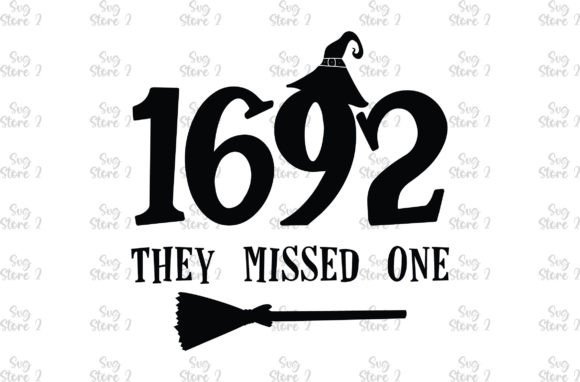
When I first opened the 1692 They Missed One embroidery design file, I was immediately drawn to its clean lines and subtle storytelling. This design has a quiet confidence that speaks to those who appreciate detail without excess. The layout feels intentional, with a balance between simplicity and character that makes it versatile for a variety of projects.
The mood created by this design is nostalgic yet modern. It’s the kind of piece that could easily be incorporated into a custom tote bag or a personalized sweatshirt. The theme suggests a historical or adventurous tone, which could be perfect for holiday gifts, boutique branding, or even baby items with a touch of personality.
Real-Life Use in Custom Apparel and Handmade Projects
Let’s imagine preparing a custom embroidered tote bag using this design. I would start by considering the fabric choice. A medium-weight cotton canvas would work well, as it provides enough structure for the stitches to stand out without being too stiff. The 1692 They Missed One design would look great centered on the front of the tote, especially if paired with a complementary thread color like navy or forest green.
This design also has potential for use in sweatshirts, caps, or even patchwork projects. For example, a small version of this design could be stitched onto a denim jacket or used as an embroidered patch on a backpack. Its detail level allows for clarity even when scaled down, which is a big plus for smaller hoop sizes or more intricate apparel.
If I were creating a personalized gift, I might pair this design with a name or date in a contrasting font. It would add a touch of sophistication and make the gift feel more meaningful. For a boutique product, I’d consider how this design fits into a cohesive collection—perhaps with other designs that share a similar aesthetic or theme.
Where to Use 1692 They Missed One with Caution
While 1692 They Missed One is a strong design, there are some situations where it may require extra attention. For instance, if you plan to stitch it on thin or stretchy fabrics, you’ll need to use a proper stabilizer to prevent puckering or distortion. Similarly, on dark-colored fabrics, selecting the right thread color is essential to ensure visibility and contrast.
When working with small hoop sizes, it's important to test the design before committing to the final project. Some elements might not scale well or could become too dense, leading to stitching issues. Also, if you're planning to use this design on curved surfaces like caps or hats, be sure to adjust the placement and size accordingly to maintain its visual appeal.
For commercial embroidery projects, double-check the stitch density and ensure that the design doesn’t have any overlapping or conflicting areas that could cause problems during production. If you're planning to sell finished products or digital assets based on this design, always confirm the licensing terms to avoid any legal issues later on.
Design Notes for Embroidery Professionals and Crafters
Before using 1692 They Missed One in a real project, I recommend testing it on scrap fabric. This will help you see how it looks in different thread colors and how it interacts with various fabric textures. Pay close attention to the stitch density and make sure that the design isn’t too heavy for the material you’re using.
Consider reviewing the design in black and white mockups to see how it translates visually before choosing your thread colors. This can help you determine whether the design works well on both light and dark backgrounds. Also, check whether the design maintains its clarity when scaled up or down, depending on the final product you're aiming for.
Another key consideration is the hoop size required for this design. If you're using a machine embroidery setup, make sure your hoop is large enough to accommodate the full design without stretching or distorting the fabric. Always use the appropriate stabilizer for your fabric type to ensure a professional finish.
Finally, think about the context in which this design will be used. Whether it's for a handmade product, a craft business, or an Etsy listing, the 1692 They Missed One should align with the overall brand identity and aesthetic of your work. It’s a great addition to any designer’s toolkit, but only if it fits the vision and purpose of the final finished product.